
Personal Growth and Life Transition Counseling in Hammonton, NJ
Counseling is not limited to the treatment of a diagnosed mental health condition. People also seek therapy when they are changing direction, questioning old patterns, redefining relationships, making important decisions, or trying to understand what they want from the next stage of life. Grow With Grace Therapy & Wellness in Hammonton, New Jersey, provides counseling for personal growth and life transitions with Gabriella Passamante, LPC.
A life transition can be planned or unexpected. Starting or ending a relationship, changing careers, becoming a parent, moving, taking on caregiving responsibilities, adjusting to a new family role, experiencing a loss, or entering a different stage of adulthood can change how a person sees daily life and the future. Even positive changes can create uncertainty, stress, or questions about identity and direction.
What Is Personal Growth Counseling?
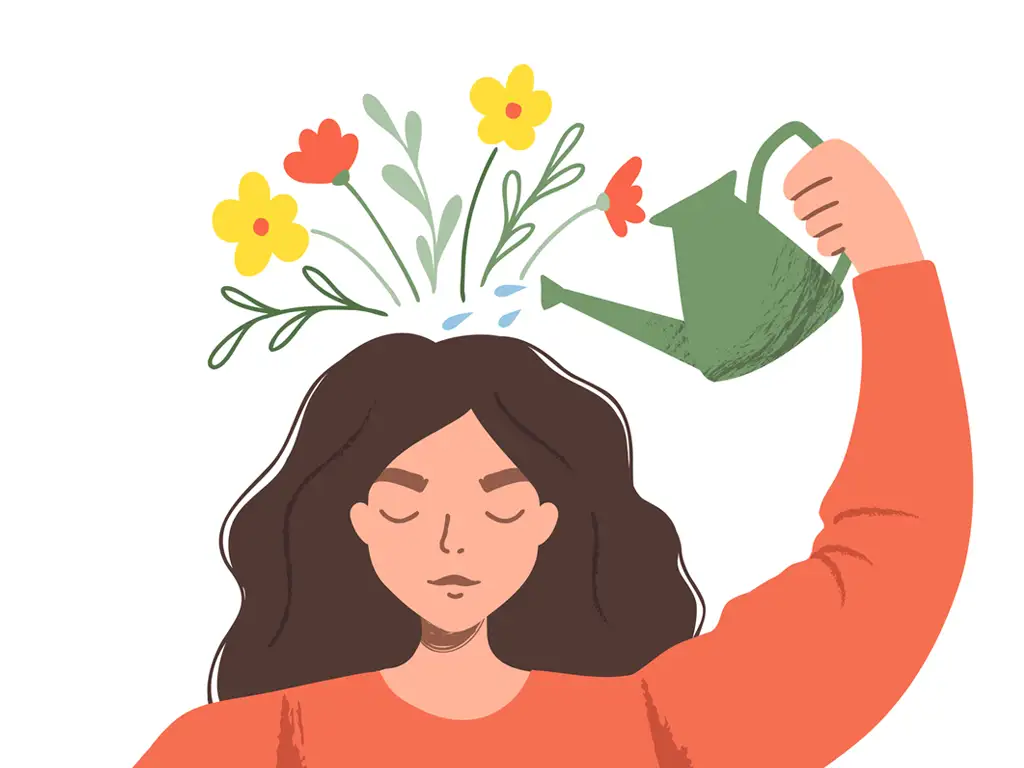
Personal growth counseling focuses on greater self-understanding and intentional change. The purpose may be to examine habits, values, boundaries, communication, decision making, relationships, confidence, or patterns that no longer fit the life a person wants to build.
Therapy can provide a structured setting for examining what is working, what feels out of alignment, and what changes may be worth exploring.
Personal growth is individual. For one person it may involve learning to communicate needs more clearly. For another it may involve reevaluating priorities, developing healthier boundaries, becoming more comfortable with uncertainty, or understanding why the same patterns continue to appear in different situations.
What Are Life Transitions?
Life transitions are periods in which familiar roles, routines, relationships, responsibilities, or expectations change. Some transitions have a clear starting point, while others develop gradually.
Career changes, graduation, marriage, separation, parenthood, relocation, retirement, caregiving, changes in health within a family, grief, and shifts in personal identity can all require adjustment and support. A transition may create opportunity while also producing uncertainty.
Counseling can provide a place to explore what the transition means, what has changed, what remains important, and how the person wants to respond to the new circumstances.
Identity, Values, and Direction
Periods of growth often involve questions that do not have immediate answers. What matters now? Which expectations still feel appropriate? Which relationships or responsibilities need different boundaries? What should remain the same, and what may need to change?
Therapy can help organize these questions without imposing a predetermined answer. The process may involve clarifying values, recognizing assumptions, examining the influence of previous experiences, and considering whether current choices reflect the person's priorities.
Greater clarity does not mean eliminating uncertainty. It can mean becoming more intentional about how decisions are made and how change is approached.

Patterns, Boundaries, and Relationships
Personal growth frequently involves other people. Family expectations, friendships, romantic relationships, work relationships, and caregiving roles can all influence how a person defines responsibility, conflict, approval, and personal limits.
Counseling may explore recurring interpersonal patterns, difficulty saying no, fear of disappointing others, overcommitment, avoidance, or uncertainty about how to communicate needs. The goal is not to prescribe one correct way of relating to others, but to help the client understand existing patterns and consider whether different responses would better support personal goals and over all well-being.

What to Expect From Counseling
Gabriella uses an individualized approach that considers the client's circumstances, concerns, strengths, and goals. Her therapeutic approaches include Cognitive Behavioral Therapy, Person Centered Therapy, and Accelerated Resolution Therapy when appropriate.
Sessions may include reflection, goal clarification, exploration of thoughts and behavior patterns, communication work, and development of practical strategies for navigating change. The direction of counseling depends on what the client wants to understand or work toward.
Personal growth is not measured against someone else's timeline. Counseling provides a professional process for exploring change and making more informed choices about what comes next.
Frequently Asked Questions About Personal Growth and Life Transitions
Do I need a mental health diagnosis to seek counseling for personal growth?
No specific diagnosis is required simply to contact a therapist about personal growth or a life transition. Counseling may be sought because of emotional distress, a defined mental health concern, or a desire for greater clarity and self-understanding.
Can positive life changes still be difficult?
Yes. A change can be wanted and still require adjustment. New opportunities, relationships, responsibilities, and roles can alter routines, expectations, identity, and decision making.
What kinds of transitions can be discussed in therapy?
The relevant transition depends on the individual. Counseling may address changes involving relationships, family roles, work, education, relocation, caregiving, loss, aging, identity, or other significant changes in circumstances.
Counseling for Personal Growth and Life Transitions in Hammonton, NJ
Grow With Grace Therapy & Wellness provides counseling for personal growth and life transitions in Hammonton, New Jersey, with Gabriella Passamante, Licensed Professional Counselor. Contact the practice to ask whether counseling may be appropriate for the change, decision, or personal goal you want to explore.